
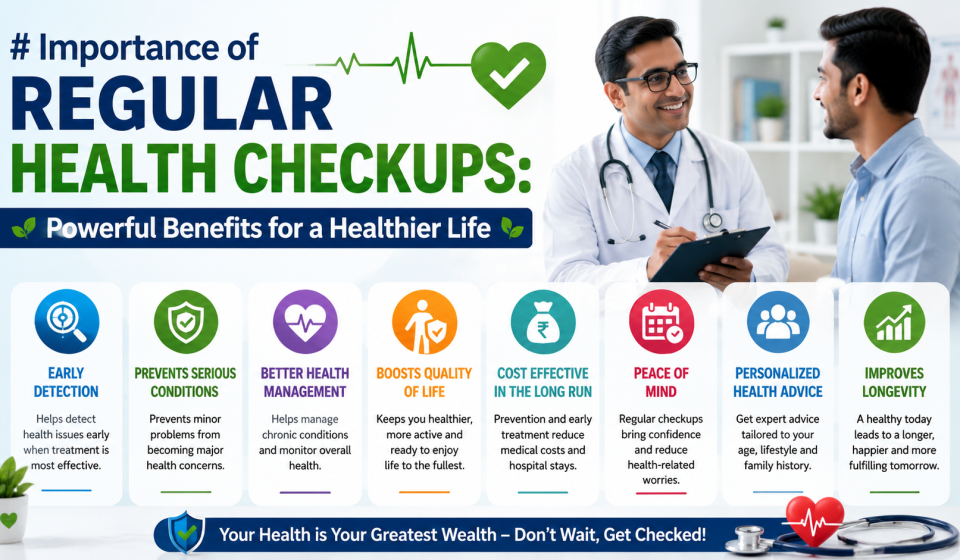

Discover the importance of regular health checkups, their benefits, early disease detection, preventive screenings, and tips for maintaining a healthy life.
Health is one of the most valuable parts of our lives. A healthy body and mind help us perform daily activities, work efficiently, spend quality time with family, and enjoy life. However, many people focus on their health only when they experience pain, discomfort, or other symptoms. This approach can sometimes delay the identification of medical problems. Regular health checkups are an important part of preventive healthcare because they help people understand their current health status and identify potential risks before they become more serious. Even when a person feels healthy, certain medical conditions may develop without noticeable symptoms.
Regular health checkups involve visiting a qualified healthcare professional to assess overall health, review medical history, discuss lifestyle habits, and determine whether any screening tests are necessary. Depending on a person’s age, medical history, family background, and risk factors, a doctor may recommend blood pressure measurement, blood sugar testing, cholesterol checks, vaccinations, or other preventive services. These visits also provide an opportunity to ask questions about nutrition, exercise, sleep, stress, and other health concerns. Making regular checkups part of a healthcare routine can support early diagnosis, informed decisions, and long-term well-being.
What Are Regular Health Checkups?
Regular health checkups are planned medical appointments that help assess a person’s general health, even when there are no obvious signs of illness. Unlike visits made specifically to treat an existing problem, preventive checkups focus on maintaining health, identifying risk factors, and finding possible medical conditions at an early stage.
A routine checkup may include reviewing medical history, checking blood pressure, measuring weight, discussing symptoms, and assessing lifestyle habits. Depending on individual needs, the doctor may recommend blood tests, vaccinations, or age-appropriate screenings. Not every person needs the same tests, and a healthcare professional can help determine which examinations are appropriate.
10 Important Benefits of Regular Health Checkups
Early Detection of Diseases
One of the biggest benefits of regular health checkups is the early detection of potential health problems. Some conditions develop gradually and may not cause noticeable symptoms in their initial stages. High blood pressure, high cholesterol, and elevated blood sugar levels are common examples.
Regular medical assessments can identify these problems before they cause serious complications. Early detection may provide more opportunities for effective treatment, lifestyle changes, and monitoring. For example, a blood pressure check may reveal a problem that a person would not otherwise notice.
However, screening tests cannot detect every disease, and a normal result does not guarantee that a person will never develop a medical condition. Regular checkups should be combined with attention to new or unusual symptoms.
Prevention of Serious Health Problems
Preventive healthcare helps people understand their risk factors and take appropriate steps to protect their health. During a checkup, a doctor may review family history, smoking habits, physical activity, dietary patterns, and existing medical conditions.
Based on this information, the healthcare professional can recommend practical changes, such as reducing excess salt intake, increasing physical activity, improving nutrition, or stopping tobacco use. Vaccinations and recommended screening tests may also help prevent certain diseases or complications.
Although checkups cannot prevent every illness, they can support healthier decisions and reduce some avoidable health risks.
Better Management of Chronic Conditions
People living with conditions such as diabetes, hypertension, asthma, or heart disease may need regular medical monitoring. Checkups allow healthcare professionals to assess whether treatment is working and whether any adjustments are necessary.
For example, a person with diabetes may need periodic blood sugar assessments and other recommended tests. Someone with high blood pressure may need regular measurements and a review of prescribed medication.
Consistent follow-up can help identify changes in health, reduce the risk of complications, and support better disease management. Patients should take medicines as prescribed and consult their doctor before changing or stopping treatment.
Understanding Your Overall Health
A health checkup gives people a clearer picture of their current physical health. Depending on individual needs, it may include assessments of blood pressure, weight, cholesterol, blood sugar, and other relevant indicators.
Understanding these measurements helps people identify areas that may need attention. For example, a doctor may explain how weight, physical inactivity, or a family history of disease affects a person’s health risks.
It is important to understand that no single test provides a complete picture of health. Doctors interpret test results alongside symptoms, medical history, physical examination findings, and other relevant information.
Improved Heart Health
Heart disease remains an important health concern worldwide. Regular checkups can help identify several risk factors associated with cardiovascular disease, including high blood pressure, abnormal cholesterol levels, diabetes, smoking, and excess body weight.
A doctor may assess these factors and recommend appropriate tests or lifestyle changes. Eating a balanced diet, exercising regularly, avoiding tobacco, and managing stress can support heart health.
People with existing cardiovascular conditions or a family history of early heart disease may require closer medical monitoring. The appropriate frequency of checkups depends on individual risk and professional advice.
Monitoring Mental Health
Health is not limited to the physical body. Mental and emotional well-being are also important parts of a healthy life. Stress, anxiety, depression, and sleep difficulties can affect relationships, work, concentration, and daily activities.
Routine healthcare visits provide an opportunity to discuss emotional concerns with a healthcare professional. A doctor may ask about mood, sleep, energy levels, stress, and changes in daily functioning.
If necessary, the doctor can recommend counselling, mental health support, or further assessment. Discussing these concerns early can help people access suitable support rather than struggling alone.
Saving Money Through Preventive Care
Medical treatment can become expensive when a condition progresses and requires emergency care, hospitalisation, or long-term treatment. Identifying certain problems early may allow people to manage them before more serious complications develop.
For example, discovering elevated blood sugar levels may encourage a person to make appropriate lifestyle changes and receive medical guidance before complications occur.
However, regular checkups also have costs, and not every screening test is necessary for every person. The goal is not to undergo as many tests as possible but to choose suitable preventive care based on medical advice, individual risk, and available resources.
Personalised Health and Lifestyle Advice
Everyone has different health needs. Age, occupation, family history, activity level, diet, and existing medical conditions can influence which health practices are most suitable.
During regular checkups, healthcare professionals can provide personalised advice about exercise, nutrition, sleep, stress management, vaccinations, and preventive screenings.
For example, a person who spends most of the day sitting may benefit from advice about increasing daily movement. Someone with a family history of diabetes may need guidance about appropriate risk assessment and testing.
Personalised advice can make healthy lifestyle changes more realistic, practical, and sustainable.
Keeping Vaccinations and Screenings Up to Date
Vaccinations and screening tests are important components of preventive healthcare. Vaccines can protect against certain infectious diseases, while appropriate screening tests may identify specific conditions before symptoms appear.
Depending on age, sex, medical history, and risk factors, a doctor may recommend screenings for diabetes, high cholesterol, certain cancers, or other conditions. Vaccination recommendations also vary according to age, previous doses, medical circumstances, and local guidance.
People should ask their healthcare professional which vaccines and screenings are appropriate for them. Unnecessary tests can sometimes lead to false-positive results, additional procedures, anxiety, or avoidable costs, so screening decisions should be made carefully.
Supporting a Longer, Healthier Life
Regular health checkups can encourage people to take responsibility for their health and develop consistent preventive habits. Monitoring important health indicators, following professional advice, and addressing risk factors may improve long-term health management.
A healthy lifestyle remains essential. Eating nutritious foods, drinking enough water, exercising regularly, getting sufficient sleep, avoiding tobacco, and maintaining social connections all contribute to overall well-being.
Checkups work best when they are part of a broader approach to health rather than a replacement for healthy daily habits or medical care when symptoms appear.
What Tests May Be Included in a Routine Health Checkup?
The tests recommended during a checkup depend on a person’s individual circumstances. A doctor may consider the following assessments:
Blood pressure measurement: Helps identify high blood pressure, which may not cause noticeable symptoms.
Blood sugar testing: May help detect or monitor diabetes and other blood glucose problems when testing is appropriate.
Cholesterol testing: Measures blood fats that can contribute to cardiovascular risk.
Weight and body measurements: Help assess weight-related health risks when interpreted in context.
Blood tests: Depending on symptoms and risk factors, a doctor may recommend tests such as a complete blood count or other laboratory investigations.
Cancer screening: Certain screening tests may be recommended according to age, sex, personal history, and established guidelines.
Vision and dental examinations: May help identify eye problems and oral health issues that require attention.
Vaccination review: Helps determine whether recommended immunisations are up to date.
Not everyone needs every test listed above. Routine whole-body packages, repeated laboratory tests, or imaging investigations are not automatically necessary for healthy people. A qualified healthcare professional can help avoid unnecessary testing.
How Often Should You Get a Health Checkup?
There is no single checkup schedule that is suitable for everyone. The recommended frequency depends on age, health status, family history, existing medical conditions, and personal risk factors.
Healthy adults may benefit from periodic preventive visits, while people with chronic illnesses or particular risk factors may need more frequent appointments. Children, pregnant individuals, older adults, and people taking long-term medication may have different healthcare needs.
Ask your doctor how often you should schedule routine visits and which screenings are appropriate for you. Do not wait for your next planned checkup if you experience new, persistent, or concerning symptoms.
Tips to Prepare for Your Health Checkup
Preparing for an appointment can help you make the most of your time with a healthcare professional.
- Prepare your medical history: Write down existing conditions, previous surgeries, allergies, and relevant family health history.
- List your medications: Include prescription medicines, over-the-counter medicines, vitamins, and supplements.
- Write down your questions: Note any concerns about symptoms, sleep, nutrition, exercise, or mental well-being.
- Bring previous reports: Earlier test results can help your doctor understand changes over time.
- Follow test instructions: Ask whether fasting or any other preparation is required for specific tests.
- Be honest about lifestyle habits: Accurate information about diet, activity, tobacco use, and other habits helps your doctor provide appropriate advice.
- Understand your results: Ask what the results mean, whether follow-up is required, and when you should repeat any tests.
After your appointment, follow the recommended plan and keep a record of important results and future appointments.
Common Myths About Regular Health Checkups
Myth 1: I feel healthy, so I do not need a checkup.
Feeling healthy is encouraging, but some medical conditions may not cause obvious symptoms. Appropriate preventive assessments can help identify certain hidden risks.
Myth 2: Everyone needs the same medical tests.
Different people have different health needs. Testing should be guided by age, medical history, risk factors, symptoms, and professional recommendations.
Myth 3: A normal report means I will never become ill.
A normal result reflects what a particular test found at that time. It cannot guarantee future health or rule out every possible condition.
Myth 4: Health checkups are useful only for older adults.
Preventive care is relevant at different stages of life. The type and frequency of assessments change according to individual needs.
Myth 5: A checkup replaces healthy habits.
Medical assessments are useful, but they do not replace a balanced diet, physical activity, adequate sleep, and other healthy behaviours.
Source Links
- MedlinePlus – Health Checkup
- MedlinePlus – Health Screening
- Centers for Disease Control and Prevention (CDC) – Preventive Care
- NHS – Health Check
Conclusion
The importance of regular health checkups lies in early detection, prevention, health monitoring, and informed decision-making. Routine medical visits can help identify certain health risks, support the management of chronic conditions, and provide personalised guidance about nutrition, exercise, vaccinations, and recommended screenings. They also offer an opportunity to discuss physical and mental health concerns with a qualified professional.
Taking care of your health should be a continuous process, not something you do only when you become ill. Schedule checkups according to your individual needs, follow your doctor’s recommendations, and maintain healthy daily habits. Remember that preventive care cannot guarantee a life without illness, but appropriate medical guidance and timely attention to health concerns can help you make better decisions for a healthier future.
Frequently Asked Questions (FAQs)
1. Why are regular health checkups important?
Regular health checkups help assess overall health, identify certain diseases or risk factors early, monitor existing conditions, and provide guidance on preventive care and healthy lifestyle habits.
2. How often should I get a health checkup?
The recommended frequency varies according to age, medical history, existing conditions, and risk factors. Ask a healthcare professional to suggest a schedule suitable for your individual needs.
3. Can health checkups detect diseases before symptoms appear?
Yes. Some screening tests can identify conditions such as high blood pressure, diabetes, or certain cancers before symptoms develop. However, no screening test detects every disease, and results are not always perfect.
4. Which tests are commonly included in a routine health checkup?
Depending on individual needs, a checkup may include blood pressure measurement, weight assessment, blood sugar or cholesterol testing, vaccination review, and age-appropriate screening tests.
5. Are regular health checkups necessary for young adults?
Yes. Young adults can benefit from preventive healthcare, vaccination reviews, lifestyle guidance, and appropriate screenings. The recommended tests and appointment frequency depend on personal health needs and risk factors.