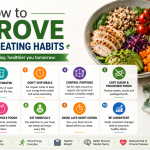


Discover simple ways to boost your immune system naturally through healthy foods, quality sleep, regular exercise, stress management, hydration, and daily wellness habits.
Your immune system is your body’s natural defense against harmful germs, viruses, and bacteria. It works every day to protect you from infections and help your body recover when you become sick. However, your immune system needs proper care to function effectively. Unhealthy eating habits, lack of sleep, ongoing stress, and a sedentary lifestyle can affect your overall health. The good news is that you do not need an expensive diet plan or complicated routine to support your immune system. Simple, consistent lifestyle changes can make a meaningful difference to your well-being.
Maintaining a healthy immune system starts with everyday choices. Eating nutritious foods, drinking enough water, exercising regularly, getting sufficient sleep, and following good hygiene practices are important steps toward better health. It is also essential to stay up to date with recommended vaccinations and seek medical advice when needed. Although no single food or supplement can guarantee protection from illness, developing healthy habits can help your body maintain normal immune function. In this article, we will explore 12 simple and practical ways to support your immune system naturally.
Eat a Balanced and Nutritious Diet
A balanced diet is one of the most important foundations of a healthy immune system. Your body needs different vitamins, minerals, proteins, and other nutrients to support immune cells and maintain normal body functions. Eating a variety of nutritious foods is generally more beneficial than depending on one particular superfood.
Include fresh fruits, vegetables, whole grains, beans, nuts, seeds, and healthy sources of protein in your daily meals. Foods such as oranges, guavas, papayas, spinach, carrots, lentils, eggs, and yogurt can contribute valuable nutrients to your diet.
Try to limit highly processed foods, excessive added sugar, and meals that contain too much salt or unhealthy fats. You do not have to change your entire diet overnight. Start by adding one serving of fruit or vegetables to your daily meals and gradually build healthier eating habits.
Include Vitamin C-Rich Foods
Vitamin C plays an important role in supporting normal immune function. It also helps the body produce collagen and supports wound healing. Eating vitamin C-rich foods regularly is a simple way to meet your nutritional needs.
Good sources include oranges, lemons, guavas, strawberries, kiwi, tomatoes, and bell peppers. Many of these foods are affordable and easy to include in everyday meals.
For example, you can eat a guava as a snack, add tomatoes to your salad, or include citrus fruits in your breakfast. Whole fruits are generally preferable to sugary fruit drinks because they also provide fiber.
Remember that consuming excessive amounts of vitamin C does not automatically make your immune system stronger. Supplements may be useful for some people, but it is best to consult a healthcare professional before taking high doses.
Get Enough Quality Sleep
Sleep is essential for maintaining overall health and supporting the body’s immune response. During sleep, your body carries out important recovery processes that help regulate various biological functions.
Most adults should aim for approximately seven to nine hours of sleep each night. Regularly sleeping too little may negatively affect immune function, concentration, mood, and energy levels.
To improve your sleep quality, try to go to bed and wake up at similar times every day. Avoid using your phone immediately before bedtime, reduce caffeine intake late in the day, and keep your bedroom quiet and comfortable.
If you find it difficult to sleep, begin by establishing a relaxing bedtime routine. Reading a book, listening to calming music, or practicing gentle breathing exercises may help you unwind.
Exercise Regularly
Regular physical activity supports your heart, muscles, mental health, and overall immune function. Exercise can also improve sleep quality, help manage stress, and support a healthy body weight.
You do not need to join a gym or follow a demanding workout routine to enjoy these benefits. Walking, cycling, swimming, dancing, and playing outdoor games are all useful ways to stay active.
For most adults, a practical target is at least 150 minutes of moderate-intensity physical activity each week, along with muscle-strengthening activities on two days, according to general health guidelines.
You can start with a 15-minute walk and gradually increase your activity as your fitness improves. Taking the stairs, stretching during breaks, and walking after meals are additional ways to reduce the amount of time you spend sitting.
Choose activities you enjoy so that exercise becomes a sustainable part of your lifestyle.
Drink Enough Water
Water helps your body regulate temperature, transport nutrients, and maintain normal bodily functions. Staying hydrated also helps keep the tissues in your mouth and respiratory tract moist.
Although drinking extra water does not directly prevent infections, dehydration can affect your health and make you feel tired or uncomfortable.
Keep a water bottle nearby and drink throughout the day. You can also obtain fluids from foods such as watermelon, cucumber, oranges, and soups.
Your hydration needs depend on factors such as your activity level, climate, diet, and medical conditions. Hot weather and physical activity may increase your fluid requirements.
Instead of following a rigid water target that may not suit everyone, pay attention to thirst and your body’s needs. People with medical conditions that require fluid restrictions should follow their healthcare professional’s advice.
Manage Stress in Healthy Ways
Stress is a normal part of life, but persistent stress can affect sleep, mood, daily habits, and several processes involved in immune function.
Managing stress does not mean avoiding every difficult situation. It means learning practical ways to relax, recover, and respond to challenges more effectively.
Try spending a few minutes each day practicing deep breathing, meditation, yoga, or gentle stretching. Talking with friends and family, enjoying hobbies, spending time outdoors, and maintaining a balanced schedule can also support emotional well-being.
If work or study feels overwhelming, break large tasks into smaller steps and take short breaks between activities.
When stress becomes persistent or starts interfering with your everyday life, consider seeking help from a qualified mental health professional. Taking care of your emotional health is an important part of taking care of your body.
Eat Enough Protein
Protein is essential for building and repairing tissues. It also provides the building blocks needed to produce many substances involved in normal immune function.
Good protein sources include lentils, beans, chickpeas, peas, eggs, fish, chicken, milk, yogurt, tofu, and nuts. You can choose options according to your dietary preferences, budget, and nutritional needs.
For a simple meal, try dal with roti, chickpea salad, vegetable khichdi with yogurt, or tofu with vegetables. Including a protein source in regular meals can help make your diet more balanced.
Avoid assuming that expensive protein powders are necessary for a healthy immune system. Many people can meet their protein needs through ordinary foods. If you have a medical condition that affects your protein requirements, consult a qualified healthcare professional or dietitian.
Maintain Good Personal Hygiene
Good hygiene helps reduce your exposure to germs and lowers the risk of spreading infections. Even with healthy eating and regular exercise, everyday precautions remain important.
Wash your hands with soap and water before preparing or eating food, after using the toilet, and after coughing, sneezing, or handling potentially contaminated objects.
Avoid touching your eyes, nose, and mouth with unwashed hands. Cover your mouth and nose when coughing or sneezing, and dispose of used tissues properly.
Food safety matters too. Wash fruits and vegetables, cook food thoroughly, refrigerate perishable items appropriately, and avoid consuming spoiled food.
During periods of increased respiratory illness, improve indoor ventilation and follow appropriate public health advice. These small precautions can help protect both you and the people around you.
Get Recommended Vaccinations
Vaccination is one of the most effective ways to protect against specific infectious diseases. Vaccines help your immune system recognize particular germs and prepare to respond to them.
Healthy lifestyle habits support general health, but they cannot replace the protection provided by recommended vaccines.
Speak with your healthcare provider about which vaccinations are appropriate for your age, medical history, occupation, travel plans, and previous vaccination records. Recommendations vary depending on individual circumstances.
For example, certain people may benefit from seasonal influenza vaccination or other vaccines recommended by local health authorities.
Do not skip recommended vaccinations because you believe that eating healthy foods or taking supplements provides the same protection. Both everyday health habits and appropriate vaccination have different but complementary roles.
Avoid Smoking and Limit Alcohol
Smoking can damage the lungs and weaken important defenses against respiratory infections. Avoiding tobacco and secondhand smoke is a valuable step toward better long-term health.
If you smoke, consider speaking with a healthcare professional about practical ways to quit. Support groups, counseling, and evidence-based treatments may improve your chances of success.
Excessive alcohol consumption can also interfere with immune function and affect the liver, sleep, and other aspects of health.
If you drink alcohol, reducing consumption can offer health benefits. Avoiding alcohol is the safest choice in several circumstances, including pregnancy and when advised by a healthcare professional.
Instead of relying on habits that can harm your health, focus on activities that support your physical and mental well-being.
Spend Time Outdoors and Get Sensible Sun Exposure
Spending time outdoors can encourage physical activity, improve mood, and provide a break from indoor routines. Walking in a park, gardening, or enjoying a morning stroll can become enjoyable parts of a healthy lifestyle.
Sunlight helps the body produce vitamin D, which plays a role in normal immune function. However, the amount of sunlight needed varies depending on skin tone, location, season, clothing, and other factors.
Too much ultraviolet exposure can damage the skin and increase the risk of skin cancer. Use appropriate sun protection and avoid intentional sunburn.
Vitamin D is also found in certain foods and fortified products. Some people may need supplements because of a deficiency or other medical reason. Ask a healthcare professional whether testing or supplementation is appropriate for you rather than taking high doses without guidance.
Avoid Unnecessary Supplements and Maintain a Healthy Routine
Many products claim to boost immunity quickly, including vitamin tablets, herbal mixtures, powders, and drinks. However, no supplement can guarantee that you will not get sick.
Nutrients are essential for normal immune function, and correcting a genuine deficiency can be beneficial. But taking extra vitamins or minerals when you do not need them may provide no additional benefit and can sometimes cause harm.
For example, excessive intake of certain vitamins and minerals can cause side effects or interact with medicines. Always consult a healthcare professional before starting supplements, especially if you have an underlying medical condition or take prescription medicines.
Instead of searching for a quick fix, focus on a consistent routine: eat balanced meals, exercise regularly, sleep well, manage stress, practice good hygiene, and follow recommended vaccination guidance.
Small daily improvements are often easier to maintain than extreme diets or complicated wellness plans.
A Simple Daily Routine for Better Immune Health
You can begin supporting your immune system without making major changes to your schedule. The following example provides a simple starting point.
Morning: Wake up at a consistent time, drink water, eat a balanced breakfast, and take a short walk or stretch.
Afternoon: Eat a nutritious lunch containing vegetables, whole grains, and protein. Take short movement breaks if you sit for long periods.
Evening: Spend time on a relaxing activity, prepare a balanced dinner, and avoid excessive caffeine late in the day.
Night: Reduce screen time before bed, follow a relaxing bedtime routine, and aim for seven to nine hours of sleep.
This routine is flexible. Adjust it to your schedule, preferences, activity level, and medical needs. The goal is not perfection but consistency.
Sources
- https://www.cdc.gov/respiratory-viruses/immune-health/index.html
- https://www.cdc.gov/healthy-weight-growth/about/enhancing-immunity.html
- https://nutritionsource.hsph.harvard.edu/nutrition-and-immunity/
- https://www.health.harvard.edu/diet-and-nutrition/what-can-you-do-to-improve-your-immune-system
Conclusion
Supporting your immune system begins with simple, healthy choices that you can maintain every day. Eating a balanced diet, getting enough sleep, staying physically active, drinking sufficient water, managing stress, and practicing good hygiene all contribute to overall well-being. Avoiding smoking, limiting alcohol, getting recommended vaccinations, and using supplements responsibly are also important parts of a healthy lifestyle.
Remember that no single food, drink, or supplement can guarantee strong immunity or prevent every illness. The best approach is to build consistent habits and seek professional medical advice when necessary. Start with one or two changes that fit your daily routine and gradually add more. With patience and consistency, these practical steps can help you care for your health and support your body’s natural defenses.
Frequently Asked Questions (FAQs)
1. What is the easiest way to support your immune system?
Start with a balanced diet, adequate sleep, regular physical activity, good hygiene, and recommended vaccinations. Consistency is more important than relying on a single food or supplement.
2. Which foods help support immune health?
Fruits, vegetables, whole grains, beans, lentils, nuts, seeds, eggs, and other protein-rich foods provide nutrients that support normal immune function. Eating a variety of foods is better than relying on one so-called superfood.
3. How many hours of sleep do adults need for immune health?
Most adults should aim for seven to nine hours of sleep each night. Individual needs can vary, and persistent sleep difficulties should be discussed with a healthcare professional.
4. Can vitamin supplements boost immunity quickly?
There is no reliable quick fix for immunity. Supplements may help correct nutrient deficiencies, but excessive doses can be harmful. Consult a healthcare professional before taking them.
5. Does exercise improve the immune system?
Regular, moderate physical activity supports overall health and may benefit immune function. Walking, cycling, swimming, and other activities are useful options. Choose an exercise routine that matches your fitness level and medical needs.