
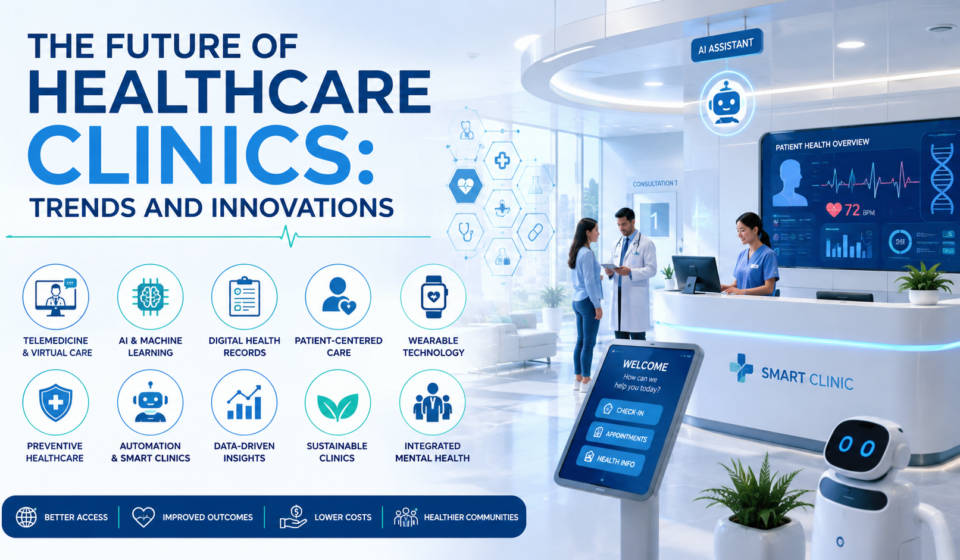

Healthcare clinics are evolving faster than ever before. With rapid advancements in technology, changing patient expectations, and increasing demand for accessible healthcare, clinics are transforming into smarter, more efficient, and patient-focused healthcare centers. From telemedicine and artificial intelligence to personalized treatment plans and digital health records, the future of healthcare clinics promises better care, faster services, and improved patient outcomes.
The Growing Importance of Healthcare Clinics
Healthcare clinics have become essential in providing accessible and cost-effective medical services. Unlike large hospitals, clinics often offer quicker appointments, shorter waiting times, and personalized patient care. As populations grow and healthcare demands increase, clinics are expected to handle a larger portion of primary and preventive healthcare services.
Many patients now prefer clinics because they are convenient, affordable, and easier to access. Clinics are also expanding their services to include diagnostics, mental health support, chronic disease management, and wellness programs. This shift is helping reduce the burden on hospitals while improving overall healthcare delivery.
Telemedicine and Virtual Healthcare Services
One of the biggest innovations shaping the future of healthcare clinics is telemedicine. Virtual healthcare services allow patients to consult doctors remotely through video calls, mobile apps, and online platforms. This trend became especially popular during the COVID-19 pandemic and continues to grow rapidly.
Telemedicine offers several benefits, including:
- Reduced travel time for patients
- Faster medical consultations
- Increased access to specialists
- Improved healthcare for rural areas
- Lower healthcare costs
In the future, many clinics will operate hybrid models that combine in-person visits with virtual consultations. This approach allows clinics to serve more patients efficiently while improving patient convenience and satisfaction.
Artificial Intelligence in Healthcare Clinics
Artificial intelligence (AI) is transforming how clinics diagnose, treat, and manage patient care. AI-powered systems can analyze medical data quickly and accurately, helping healthcare professionals make better decisions.
Some important applications of AI in healthcare clinics include:
- Early disease detection
- Automated appointment scheduling
- Medical imaging analysis
- Predictive healthcare analytics
- Virtual health assistants
AI can also reduce administrative workload, allowing doctors and nurses to focus more on patient care. As AI technology becomes more advanced, clinics will likely rely on smart systems to improve efficiency and treatment accuracy.
Personalized and Patient-Centered Care
The future of healthcare clinics will focus heavily on personalized medicine. Instead of using the same treatment approach for every patient, clinics are increasingly tailoring healthcare plans based on individual needs, genetics, lifestyle, and medical history.
Patient-centered care improves healthcare outcomes because treatments become more targeted and effective. Clinics are also emphasizing stronger communication between doctors and patients, encouraging individuals to become active participants in their healthcare journey.
Wearable devices and health tracking apps are supporting this trend by providing real-time health data. Doctors can use this information to monitor patient progress and make timely adjustments to treatment plans.
Digital Health Records and Smart Data Management
Paper records are rapidly being replaced by electronic health records (EHRs). Digital health records allow clinics to store and access patient information securely and efficiently.
Benefits of electronic health records include:
- Faster access to patient history
- Improved coordination between healthcare providers
- Reduced paperwork errors
- Better treatment planning
- Enhanced patient safety
In the future, clinics may use cloud-based systems and blockchain technology to further improve data security and accessibility. Smart data management will also help healthcare providers identify health trends and improve preventive care strategies.
Expansion of Preventive Healthcare Services
Preventive healthcare is becoming a major priority for modern clinics. Instead of focusing only on treating illnesses, clinics are increasingly working to prevent diseases before they develop.
Preventive healthcare services may include:
- Regular health screenings
- Vaccination programs
- Nutritional counseling
- Fitness and wellness support
- Mental health services
This proactive approach helps reduce healthcare costs and improves long-term patient health. Clinics that emphasize preventive care can help communities maintain healthier lifestyles and reduce chronic disease rates.
Smart Clinics and Automation Technology
Automation is another important trend shaping the future of healthcare clinics. Smart clinics use automated systems and connected devices to improve efficiency and patient experience.
Examples of smart clinic technology include:
- Self-check-in kiosks
- AI chatbots for appointment booking
- Automated billing systems
- Smart diagnostic devices
- Remote patient monitoring tools
Automation reduces waiting times and minimizes administrative errors. It also allows clinics to handle larger patient volumes without compromising service quality.
As healthcare technology continues to improve, clinics may eventually integrate robotics and advanced machine learning systems into routine healthcare operations.
Mental Health Integration in Healthcare Clinics
Mental health awareness is increasing globally, and future healthcare clinics are expected to provide more integrated mental health services. Many clinics are already including psychologists, counselors, and behavioral health specialists as part of their healthcare teams.
Integrated mental health support can help patients receive comprehensive care in one location. This approach reduces stigma and makes mental healthcare more accessible.
Future clinics may also use digital therapy tools, virtual counseling sessions, and AI-driven mental health assessments to support patients more effectively.
Sustainable and Eco-Friendly Healthcare Clinics
Sustainability is becoming an important consideration in healthcare facility design and operations. Future healthcare clinics are likely to adopt eco-friendly practices to reduce environmental impact.
Some sustainable clinic innovations include:
- Energy-efficient lighting and equipment
- Solar-powered systems
- Digital documentation to reduce paper waste
- Eco-friendly building materials
- Waste reduction and recycling programs
Green healthcare clinics not only help the environment but can also reduce operational costs and create healthier indoor spaces for patients and staff.
The Role of Wearable Technology in Healthcare
Wearable technology is revolutionizing patient monitoring and healthcare management. Devices such as smartwatches, fitness trackers, and remote monitoring sensors allow clinics to collect real-time health information.
Wearable technology can track:
- Heart rate
- Blood pressure
- Sleep patterns
- Blood glucose levels
- Physical activity
Clinics can use this data to monitor chronic conditions, detect early warning signs, and encourage healthier habits among patients. This continuous flow of health data supports more proactive and preventive healthcare strategies.
Source
https://sl1nk.com/74ypg0x
https://sl1nk.com/exenc4f
Conclusion
The future of healthcare clinics is being shaped by innovation, technology, and a stronger focus on patient-centered care. Telemedicine, artificial intelligence, personalized treatment, digital health records, and smart automation are transforming clinics into more efficient and accessible healthcare providers.
As clinics continue to evolve, patients can expect faster services, improved convenience, better communication, and more accurate treatment plans. Preventive healthcare, mental health integration, and wearable technology will also play major roles in improving long-term health outcomes.
Healthcare clinics are no longer just treatment centers — they are becoming comprehensive wellness hubs designed to support healthier communities and deliver modern medical care in smarter and more sustainable ways. The coming years will likely bring even more advancements that continue to improve healthcare accessibility, affordability, and quality for people around the world.
FAQs
1. What is the future of healthcare clinics?
The future of healthcare clinics includes advanced technology, telemedicine, AI-powered systems, personalized treatment, and improved patient-centered care.
2. How is artificial intelligence used in healthcare clinics?
AI helps clinics with disease detection, appointment scheduling, medical data analysis, and improving overall healthcare efficiency.
3. Why is telemedicine important for modern clinics?
Telemedicine allows patients to receive healthcare services remotely, improving convenience, accessibility, and faster medical consultations.
4. What are smart healthcare clinics?
Smart healthcare clinics use automation, connected devices, and digital systems to improve patient care and clinic operations.
5. How do wearable devices help healthcare clinics?
Wearable devices provide real-time health data that helps clinics monitor patients, manage chronic conditions, and support preventive care.